Train harder · Free ship $75+ · Gear up now
bpc 157 and dopamine

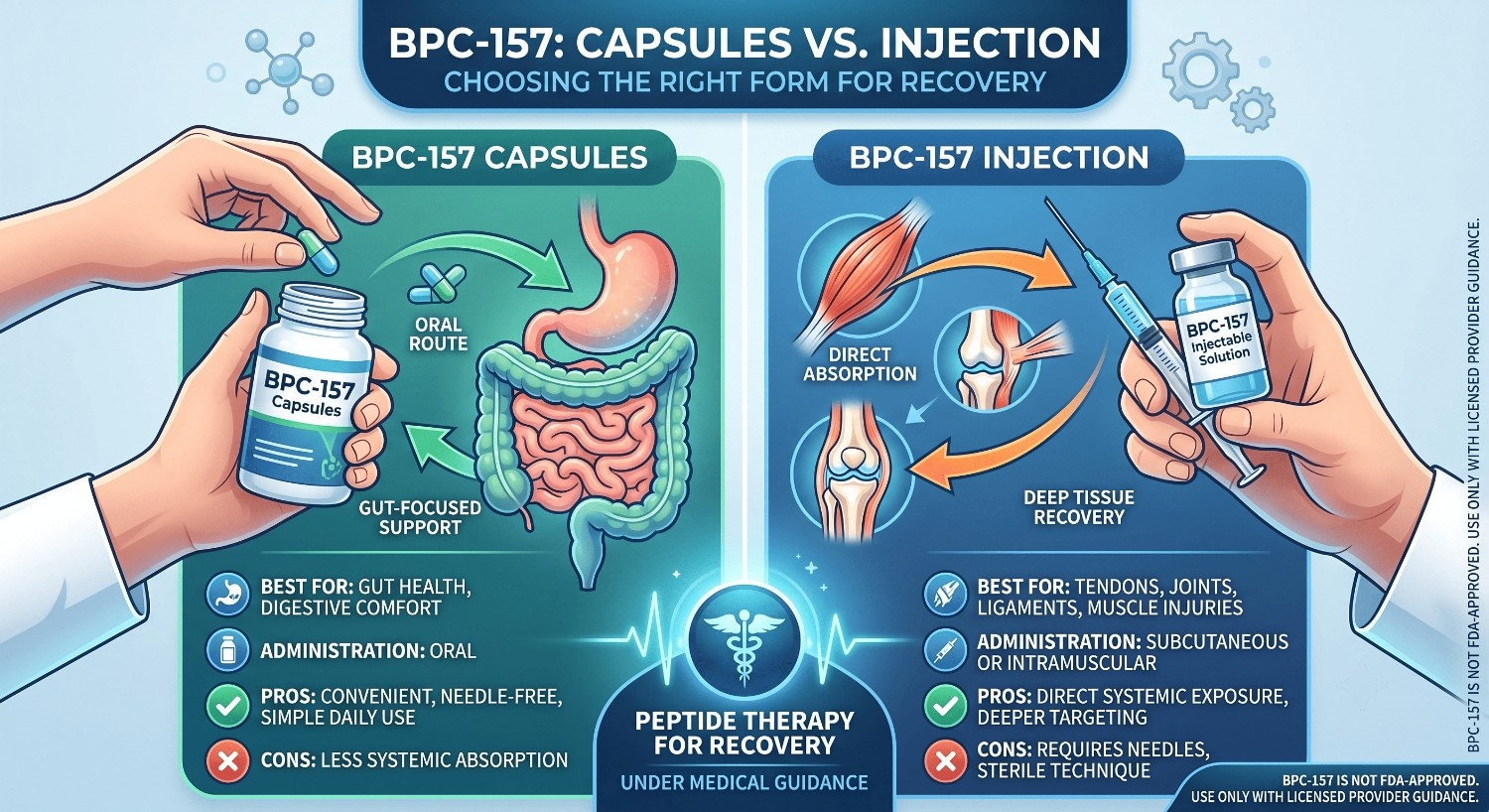
bpc 157 and dopamine Akathisia is caused by drug-induced receptor blockade, usually in the striatum. A gut-produced peptide called BPC-157 often used for injuries has been recognised to reverse D receptor blockade, repair dopaminergic BPC-157 and Selank Combination Risks:

SKU: 61331778305

4.2
EUR21.84 EUR47.84

Pay in 4 interest-free payments of $5.46 Learn more

Shipping Estimate
USA
  • USA
  • CAN

Ships within 48 hours · Estimated delivery Nov 6 - Nov 11

Description

This experimental combination targets both amylin receptors via cagrilintide and GLP-1/GIP receptors via tirzepatide, aiming to enhance satiety and glucose control beyond what either drug achieves alone

bpc 157 and dopamine Akathisia is caused by drug-induced receptor blockade, usually in the striatum. A gut-produced peptide called BPC-157 often used for injuries has been recognised to reverse D receptor blockade, repair dopaminergic BPC-157 and Selank Combination Risks:

Tendon-Specific Research Findings A foundational study examined BPC-157s effects on transected Achilles tendons in rats

bpc 157 and dopamine Akathisia is caused by drug-induced receptor blockade, usually in the striatum. A gut-produced peptide called BPC-157 often used for injuries has been recognised to reverse D receptor blockade, repair dopaminergic BPC-157 and Selank Combination Risks:

Multiple studies have found elevated levels of inflammatory cytokines in long COVID patients months after acute infection

bpc 157 and dopamine Akathisia is caused by drug-induced receptor blockade, usually in the striatum. A gut-produced peptide called BPC-157 often used for injuries has been recognised to reverse D receptor blockade, repair dopaminergic BPC-157 and Selank Combination Risks:

Select the appropriate dosage

bpc 157 and dopamine Akathisia is caused by drug-induced receptor blockade, usually in the striatum. A gut-produced peptide called BPC-157 often used for injuries has been recognised to reverse D receptor blockade, repair dopaminergic BPC-157 and Selank Combination Risks:

Description Overview AOD-9604 is a synthetic peptide fragment derived from the C-terminal region of human growth hormone and is widely referenced in research on adipose tissue metabolism, lipolysis and body-composition management models

bpc 157 and dopamine Akathisia is caused by drug-induced receptor blockade, usually in the striatum. A gut-produced peptide called BPC-157 often used for injuries has been recognised to reverse D receptor blockade, repair dopaminergic BPC-157 and Selank Combination Risks:

The peptides ability to cross the blood-brain barrier and affect central nervous system tissue remains partially characterized but has generated interest in neurological applications

bpc 157 and dopamine Akathisia is caused by drug-induced receptor blockade, usually in the striatum. A gut-produced peptide called BPC-157 often used for injuries has been recognised to reverse D receptor blockade, repair dopaminergic BPC-157 and Selank Combination Risks:
Exchange/Return Notes
  • We offer a 30-day return/exchange service after receiving.
  • Final sale items are not eligible for returns or exchanges.
  • To process your return/exchange, please contact us at [email protected]
  • Please click here for more details>>> Return & Exchange Policy

You may also like

recommand products